

Heirloomed Alternatives for Artisanal Goods
Table of Contents
- Why Shoppers Look Beyond Heirloomed for Artisanal Goods
- What Makes Handcrafted Home Decor Worth the Investment
- Sourcing Vintage Home Decor That Tells a Story
- How to Identify Handcrafted Goods and Spot Authenticity
- Building a Collection of Heirloom-Quality Home Decor
- Comparison Criteria: What to Evaluate When Choosing Artisanal Alternatives
- Common Mistakes When Shopping for Artisanal Home Goods
- Conclusion
- Frequently Asked Questions
Last Updated: October 14, 2026
Why Shoppers Look Beyond Heirloomed for Artisanal Goods
When you're hunting for handcrafted home decor that tells a story, the marketplace of artisanal goods alternatives feels overwhelming. Too many options. Too many claims about authenticity. Too many sellers promising "artisanal" when they mean mass-produced.
This is why shoppers search for Heirloomed alternatives for artisanal goods. They want curation without the gatekeeping. They want access to rare, handmade pieces without settling for the first marketplace they find. At Zebra & Co., we understand this tension: the desire for genuine craftsmanship paired with the need for transparency about where things come from.
The truth is, the market for artisanal goods has expanded dramatically. Vintage art and decor, handcrafted textiles, rare mineral specimens, and maker-quality home goods are no longer niche categories. They're mainstream. But mainstream doesn't mean standardized. If anything, the explosion of options has made it harder to distinguish between authentic handcraft and clever imitation.
This guide walks you through how to evaluate artisanal goods alternatives, spot authenticity, build a collection that reflects your taste, and avoid the common mistakes that leave collectors disappointed.
What Makes Handcrafted Home Decor Worth the Investment
Handcrafted home decor commands premium prices for concrete reasons. Unlike mass-produced goods, each piece carries evidence of human skill, material choices, and intention.
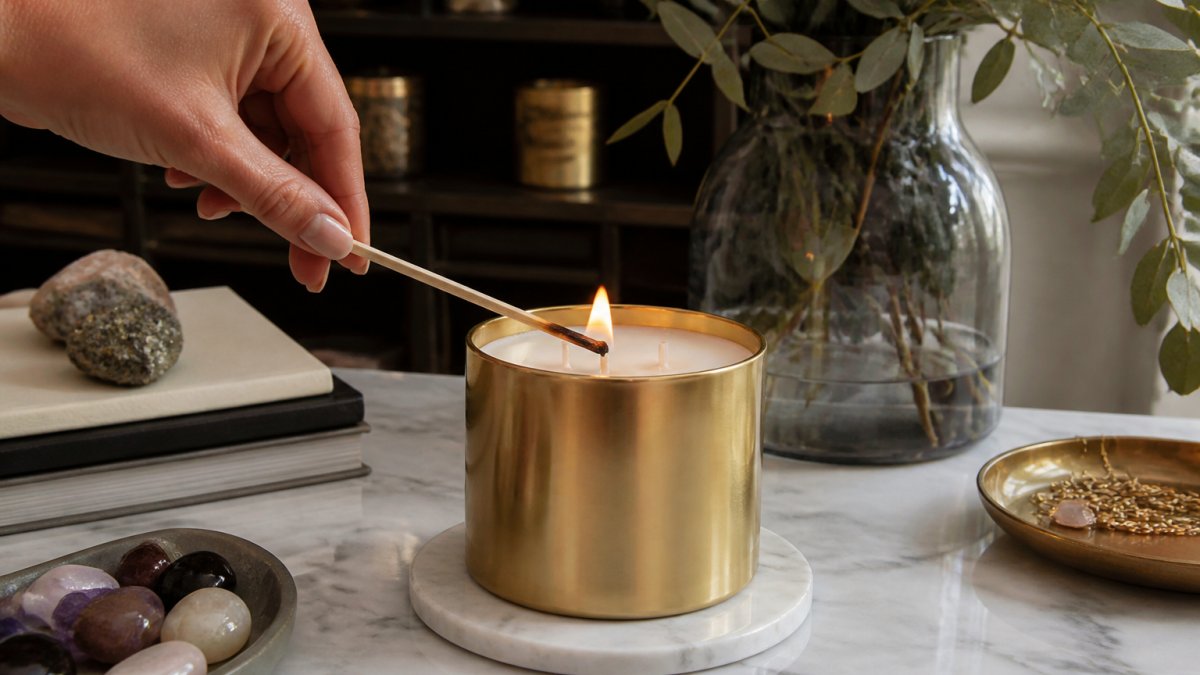
When you buy handcrafted home goods, you're paying for several things at once: the quality of materials selected, the time invested in creation, the maker's expertise, and often the story behind the piece. A hand-poured luxury candle uses premium fragrance oils and sustainable ingredients. Vintage pottery bears the fingerprints of its original artisan.
Highgradepurpleameythst Hearts
The durability argument matters too. Handcrafted goods often outlast their mass-produced equivalents because makers prioritize construction over cost reduction. A well-made textile won't pill after three washes. A hand-finished piece won't chip or fade predictably. This longevity transforms the per-use cost, what seems expensive upfront becomes reasonable when amortized over years or decades.
But the real value lies in depth. Handcrafted pieces carry weight, literal and emotional. They anchor a room. They give you something to point to and explain. They become conversation starters because they're unusual, made by identifiable people, often with materials or techniques that require explanation.
Sourcing Vintage Home Decor That Tells a Story
Vintage pieces carry authenticity that new goods cannot replicate. A vintage art print from the 1970s, a hand-knotted rug from a specific region, or reclaimed wood furniture all arrive with provenance built in. The age itself becomes part of the appeal.
Sourcing vintage home decor requires patience and a clear sense of what you're looking for. Start by defining your aesthetic: are you drawn to mid-century modern, maximalist pattern mixing, minimalist Scandinavian, or eclectic bohemian? Your answer narrows the search dramatically. Then identify specific categories, textiles, pottery, wall art, furniture, rather than browsing everything at once.
The best vintage finds often come from estate sales, local antique dealers, and specialized marketplaces that vet their sellers. Each source has trade-offs. Estate sales offer direct access to collections but require time commitment and in-person evaluation. Local dealers provide expertise and relationship-building but limited inventory. Online marketplaces offer breadth but require stronger verification skills.
When evaluating vintage pieces, look for signs of authentic age: patina on metals, fading patterns that follow logical wear patterns, construction methods that match the claimed era, and materials that were common then. Reproduction "vintage" pieces exist, they're made to look old. The difference matters for authenticity and, often, for value.
How to Identify Handcrafted Goods and Spot Authenticity
Authenticity in artisanal goods comes down to observable details. Handmade items carry the maker's fingerprint, literally and figuratively.
Start with finish quality. Handcrafted pieces show intentional variation. A hand-poured candle has slightly uneven tops. A hand-thrown ceramic bowl sits level but shows subtle asymmetry. A handwoven textile has minor color variations in the yarn. These aren't flaws; they're proof of human creation.
Look at seams, edges, and joints. In handcrafted goods, seams are often visible and finished with care. Edges might be hand-beveled or left deliberately raw. Joints show how pieces connect, whether through traditional joinery, careful stitching, or deliberate adhesive application. Makers take pride in these details because they're visible.
Material choices reveal intention. Artisans source specific materials for their properties and aesthetics. A maker might choose natural linen over polyester blend, or opt for reclaimed wood over new lumber. These choices cost more and take longer to source, but they're deliberate. Ask sellers where materials come from.
Documentation matters. Handcrafted goods often come with maker information: the artisan's name, location, creation date, or even a numbered edition. Vintage pieces carry provenance, previous ownership, acquisition details, or historical context. This documentation adds credibility and often increases value over time.
Authenticity Signal |
What It Indicates |
What to Watch For |
|---|---|---|
Visible variation in finish |
Human creation, intentional design |
Perfectly uniform surfaces (suggests machine-made) |
Maker information provided |
Transparency and pride in work |
No maker details or vague sourcing |
Material sourcing clarity |
Intentional choices, quality focus |
Generic "premium materials" without specifics |
Visible seams or joinery |
Craftsmanship, traditional techniques |
Hidden seams or industrial construction |
Patina or wear patterns |
Authentic age or honest use |
Artificially distressed appearance |
Building a Collection of Heirloom-Quality Home Decor
A collection worth keeping grows intentionally. You're not accumulating; you're curating.
Start with a framework. Decide whether you're building around a specific aesthetic, material category, maker region, or time period. This focus prevents the scattered feeling of a room full of unrelated pieces.
Quality over quantity is non-negotiable. One exceptional piece, a hand-thrown ceramic vase with museum-quality craftsmanship, a rare mineral specimen with documented geological significance, a textile created by a named artisan, outweighs ten mediocre decorative items. Each acquisition should survive the "ten-year test": would you still want this in your home a decade from now?
Rotation and display matter. Heirloom-quality home decor deserves visibility. Pieces stored in boxes don't build a collection; they build inventory. Rotate seasonal items, display pieces in rotation so they receive attention, and resist the urge to crowd surfaces. White space around objects increases their visual impact and signals that each piece was chosen deliberately.
Documentation creates value. Photograph your collection. Record maker names, acquisition dates, materials, and any provenance information. This record serves multiple purposes: it helps you remember why you bought each piece, it protects against loss or damage claims, and it increases value if you ever sell or pass pieces forward. This is how collections become legacies.
Comparison Criteria: What to Evaluate When Choosing Artisanal Alternatives
When evaluating Heirloomed alternatives for artisanal goods, apply consistent criteria across options. This prevents emotional purchasing and ensures you're comparing fairly.
Maker Transparency: Can you identify who made the piece? Do they share their process, materials, or story? Transparency builds trust and often correlates with quality.
Material Quality: Are materials specified or vague? Do they align with the price point? Natural materials often cost more but age better than synthetics.
Craftsmanship Evidence: Does the piece show signs of skilled hand work? Are imperfections intentional or signs of carelessness? Does construction match the claimed technique?
Provenance and Documentation: For vintage pieces, is ownership history available? For contemporary handcrafted goods, is maker information provided? Documentation adds credibility and often increases value.
Authenticity Verification: Has the piece been authenticated or certified? For rare minerals, lapidary work, or high-value vintage items, third-party verification matters.
Price Justification: Does the price reflect the materials, time, and expertise evident in the piece?
Condition and Longevity: For vintage pieces, what's the condition? Are repairs visible or professional? For new handcrafted goods, will they age gracefully or show wear quickly?
Return and Authentication Policy: Can you return items if authenticity is questioned? Does the seller stand behind their claims? A generous return window signals confidence.
Common Mistakes When Shopping for Artisanal Home Goods
Most collectors make predictable errors when building collections. Recognizing these patterns protects your investment and improves your purchasing decisions.
Confusing "handmade" with "artisanal". A piece can be hand-finished without being artisanal. True artisanal goods are designed and created by the maker, not simply assembled or labeled by hand.
Overlooking material quality. Material choices drive durability and aging characteristics. Don't sacrifice materials to hit a price point.
Buying without provenance. For vintage pieces especially, knowing the history matters. A piece with documented ownership, acquisition story, or historical context holds value better than an identical piece with no background. Ask sellers for details before purchasing.
Mixing aesthetic categories without intention. One bohemian textile, one minimalist ceramic, one maximalist print, and one mid-century modern sculpture don't create a collection, they create visual chaos. Intentional mixing works when you have a framework connecting the pieces.
Assuming higher price equals higher quality. Premium pricing doesn't guarantee craftsmanship. Some makers charge high prices for branding rather than construction. Compare similar items to establish fair pricing.
Impulse buying without the ten-year test. The most expensive mistake is purchasing something beautiful that doesn't fit your home or collection framework. Pause before buying. Ask yourself if you'd still want this in a decade.
Conclusion
Finding the right Heirloomed alternative for artisanal goods means understanding what separates genuine handcraft from mass-produced imitation, then applying consistent evaluation criteria to your purchases. The marketplace is crowded, but pieces that combine authentic craftsmanship, material quality, and compelling provenance stand out immediately.
At Zebra & Co., we've built our entire marketplace around this principle: curating handcrafted home fragrance through EnZebra® luxury candles, rare mineral specimens and lapidary artistry through Garland Workshop & Lapidary, and exclusive vintage décor through zExclusive. Each piece in our collection meets rigorous standards for authenticity, craftsmanship, and the stories embedded in it. Our founder's 25+ years of professional leadership ensures every acquisition reflects intention and expertise. Start exploring pieces that will become part of your home's narrative, shop our curated artisanal collection.
Frequently Asked Questions
What is the difference between artisanal goods and mass-produced home decor?
Artisanal goods are created by skilled makers using traditional handcraft techniques, often in small batches or one-of-a-kind pieces. Each item reflects the maker's intentionality and craftsmanship. Mass-produced decor is manufactured at scale using automated processes, prioritizing consistency and cost efficiency over uniqueness. Artisanal pieces typically feature visible maker's marks, natural material variations, and a story tied to the creator—qualities that give them depth and character that factory-made items cannot replicate.
How can I tell whether a home decor item is truly handcrafted?
Look for inconsistencies that signal handwork: uneven glazing on pottery, slight color variations in textiles, visible hand-stitching, or natural material imperfections. Ask the seller for maker information, production details, and photos of the creation process. Authentic handcrafted goods often come with documentation about the artisan or workshop. Check for tool marks, weight distribution, and material quality that suggest labor-intensive creation rather than mold-casting or industrial assembly.
What makes a home decor piece heirloom-worthy?
Heirloom-quality pieces combine superior craftsmanship, durable materials, and timeless design that transcends trends. They should be made to last generations with proper care, use natural or premium materials that age gracefully, and possess aesthetic depth that remains relevant across decades. The maker's story, provenance, and intentional design add emotional value. Pieces that blend heritage techniques with refined aesthetics—whether vintage finds or contemporary artisan work—become treasured family pieces passed down with pride.
Where should I shop if I want alternatives to Heirloomed for artisanal goods?
Curated luxury marketplaces specializing in handcrafted home decor, vintage treasures, and artisan-made pieces offer focused selections with verified authenticity. Look for platforms that highlight maker stories, provide detailed product provenance, and emphasize craftsmanship quality. Direct-from-maker boutiques, artisan collectives, and heritage-focused retailers often provide deeper curation and more transparent sourcing than general marketplaces. Evaluate sellers by their documentation standards, return policies for rare items, and founder or curator expertise in the field.