

Premium Artisanal Fragrance Brands to Watch in 2026
Quick Summary
Artisanal fragrance brands are independent makers that produce scents in small batches and control the composition, blending and finishing themselves. Good signs include small batch sizes, clear composition control and traceable sourcing, while buyers should sample before committing to a full bottle.
- Small batch sizes are common with artisanal makers, while designer lines often run into large volumes.
- Artisanal makers often choose their own raw materials and adjust a formula over several rounds.
- Wear a sample for a full day and check it again the next morning before buying.
- Eau de parfum is generally more concentrated than eau de toilette and tends to last longer.
- Buying a full bottle from a marketplace listing that undercuts the brand's own site is a common warning sign.
Table of Contents
- What Makes a Fragrance Artisanal Rather Than Designer
- How to Choose a Niche Fragrance Without Guessing
- Reading Notes, Concentration, and Longevity Before You Buy
- Premium Artisanal Fragrance Brands 2026: Comparison Table and Pros and Cons
- Price-to-Performance: What You Pay for in a Luxury Niche Perfume
- Ethical Sourcing and Seasonal Wear: Where Artisanal Scents Fit Your Year
- Choosing Your First Artisanal Scent From the Zebra & Co. Fragrance Collection
- Frequently Asked Questions
What Makes a Fragrance Artisanal Rather Than Designer
Last Updated: November 19, 2026
The global perfume market was valued at $60.0 billion in 2025, and Grand View Research projects it to reach $96.1 billion by 2033 (Grand View Research perfume market size and forecast). Inside that large market, a growing share of shoppers want something smaller, more deliberate and easier to trace back to a maker.
An artisanal fragrance is a scent made in small batches, usually by an independent maker who controls the composition, the blending and the finishing. A designer fragrance is typically developed for a broad audience and produced at scale. Neither label guarantees quality on its own, so the useful question is how the scent was made and who made it.
Three signals help separate the two:
- Batch size: Small runs are common with artisanal makers, where a designer line may run into large volumes.
- Composition control: Artisanal makers often choose their own raw materials and adjust a formula over several rounds.
- Traceability: A clear account of who blended the scent and where the materials came from is a good sign.
Forbes has noted niche and artisanal scents as a defining direction in post-modern perfumery, alongside gender-fluid compositions and reinvented oud (Forbes coverage of post-modern perfumery trends). That trend explains why the category is getting more attention. It does not tell you which brand suits your nose, so use the signals above as your starting checklist.
How to Choose a Niche Fragrance Without Guessing
Start with what you already wear. Note the scents you return to, the ones you give away and the notes that make you pause. Niche perfumes often lean into fewer, more distinctive notes, so a bold scent can feel very different from a familiar department-store fragrance.
Next, sample before you commit. A scent can change over a few hours on skin, so a single spritz on a paper strip tells you only part of the story. Wear a sample for a full day if you can, and check it again the next morning.
Finally, match the scent to the setting. A fragrance you love in the evening may feel heavy at a daytime office.
Reading Notes, Concentration, and Longevity Before You Buy
A fragrance's notes are usually listed as top, heart and base. Top notes are the first impression and often fade within minutes. Base notes are the deeper, longer-lasting layer. Learning to read that structure helps you predict how a scent will evolve on you.
Concentration also matters. Eau de parfum is generally more concentrated than eau de toilette and tends to last longer. Extrait de parfum sits higher still. Longevity and sillage, the trail a fragrance leaves around you, depend on concentration, your skin and the weather, so treat any single claim with some caution.
Watch out: buying a large bottle of an unfamiliar scent based on a short sniff at a counter. Ask for a sample first, or choose a smaller size from a maker you already trust.
Premium Artisanal Fragrance Brands 2026: Comparison Table and Pros and Cons
A useful brand comparison has to do two things at once: name the houses that define the artisanal tier in 2026, and give you a repeatable way to judge them. The table below profiles independent and small-batch houses that are widely cited in fragrance coverage, along with the format each is best known for and the trade-off a first-time buyer should expect. Prices vary by size and retailer, so treat the ranges as orientation rather than a quote.
| House | Known For | Signature Format | Typical Price Band (USD) | Best For | Watch-Out |
|---|---|---|---|---|---|
| Byredo | Minimalist compositions with strong narrative names | Eau de parfum | $150-$300 | Signature-scent seekers | High price per ounce; sample first |
| Le Labo | Made-to-order blending and a numbered fragrance system | Eau de parfum | $200-$350 | Buyers who want a personalized bottle | Freshly blended bottles need a few days to settle |
| Maison Francis Kurkdjian | Precise, high-concentration compositions | Eau de parfum, extrait | $200-$450 | Longevity-focused buyers | Extrait pricing climbs quickly |
| Amouage | Oud and resin-heavy oriental compositions | Eau de parfum | $300-$500 | Collectors of rich, dense scents | Heavy projection may overwhelm small rooms |
| Creed | Heritage house with a broad men's and unisex line | Eau de parfum | $300-$450 | Gift buyers | Batch variation is a known complaint |
| Xerjoff | Italian niche house with elaborate flacons | Eau de parfum | $250-$600 | Presentation-driven collectors | Flacon cost is baked into the price |
| Parfums de Marly | Sweet, gourmand-leaning compositions | Eau de parfum | $250-$400 | Evening wear | Sweet profiles are polarizing |
| Nishane | Turkish house with high-concentration extraits | Extrait de parfum | $200-$400 | Projection and longevity | Very strong sillage; apply sparingly |
| Zoologist | Thematic, animalic and experimental scents | Eau de parfum | $150-$250 | Explorers and samplers | Challenging notes are not for everyone |
Typical Price Band (USD)
- If you want a safe first bottle: Diptyque and Byredo offer the widest sampling networks and the most forgiving compositions. Con: both are heavily counterfeited online, so verify the stockist.
- If you want maximum longevity: Nishane and Maison Francis Kurkdjian extraits are the common starting points. Con: high concentration can read as heavy in warm weather.
- If you want a personalized bottle: Le Labo's made-to-order model is the clearest example. Con: the freshly blended bottle needs time to settle before it smells as intended.
- If you want a collector piece: Xerjoff and Amouage lead on flacon design and raw-material density. Con: you are paying for presentation as well as juice.
- If you want to explore: Zoologist and Nishane sample sets let you test challenging profiles at low cost. Con: experimental scents have a higher rejection rate.
Watch out: buying a full bottle from a marketplace listing that undercuts the brand's own site by a wide margin. Artisanal houses are frequent counterfeiting targets, and a suspiciously low price is the most common warning sign.
Fragrance Foundation awards and recognition
For a house-by-house view of scent families before you shortlist, see the Luxury Candle Scent Profiles: A Complete Guide.
Price-to-Performance: What You Pay for in a Luxury Niche Perfume
Most brand lists stop at the price tag. A price-to-performance analysis asks a harder question: how many hours of wear, and how much projection, do you get per dollar? That is the angle almost no competitor covers, and it is the one that actually helps you decide.
The three cost drivers.
- Raw materials. Natural absolutes and resins cost far more per kilogram than common synthetic aroma chemicals. A composition built on oud, iris butter, or natural sandalwood carries a higher material cost than one built on hedione and Iso E Super, even when both smell polished.
- Craft and iteration. A formula adjusted over dozens of rounds, with a perfumer's time attached, costs more to develop than a licensed composition bought off the shelf. Small houses rarely disclose this, but the number of releases per year is a rough proxy: a house that launches two scents a year is usually iterating more per scent than one launching twenty.
- Scarcity and packaging. Limited runs, hand-finished flacons, and numbered bottles raise the per-unit cost. That cost is real, but it is not a scent-quality signal.
A simple cost-per-wear method. Estimate the number of sprays in a bottle, then divide the price by the sprays you actually use per wear.
- A 50 ml eau de parfum typically delivers roughly 500-600 sprays.
- At two sprays per wear, that is about 250-300 wears per bottle.
- A $200 bottle therefore works out to roughly $0.70-$0.80 per wear.
- A $400 extrait at the same spray count works out to roughly $1.35-$1.60 per wear.
Longevity and projection by concentration.
Where the value actually sits.
- Best value per wear: mid-priced eau de parfum from houses with wide sampling networks, because you can test before committing.
- Worst value per wear: a full bottle bought on a single counter sniff, regardless of price. The most expensive bottle is the one you never wear.
- Best value for collectors: limited extraits where the flacon itself holds resale or display value, provided you actually want the scent.
Watch out: treating a high price as proof of quality.
For a lower-cost way to test a scent profile before committing to a bottle, the EnZebra Flower Wax Melt with Rose, Peony and Dahlia at $8.00 and the EnZebra Lavender Geometric Swirl Pillar Candle at $28.00 let you live with a fragrance family for several evenings first.
Ethical Sourcing and Seasonal Wear: Where Artisanal Scents Fit Your Year
Ask any maker where its materials come from and how they are handled. Transparent answers are a useful signal, and vague ones deserve follow-up questions. Ask any maker for specifics on sourcing and ingredients before you buy, and check the listing for any product you are considering.
Seasonal wear also matters. Lighter, fresher scents often suit warmer months, while richer, woodier or more resinous compositions usually feel right in cooler weather. Many shoppers keep one scent for each season rather than one signature all year.
Choosing Your First Artisanal Scent From the Zebra & Co. Fragrance Collection
If you are new to artisanal fragrance, start with a candle before committing to a bottle. A candle lets you test a scent profile across a whole room and over several evenings.
For a first purchase, consider the EnZebra Lavender Geometric Swirl Pillar Candle at $28.00. Our EnZebra Flower Wax Melt with Rose, Peony and Dahlia at $8.00 is a lower-cost way to sample a floral profile.
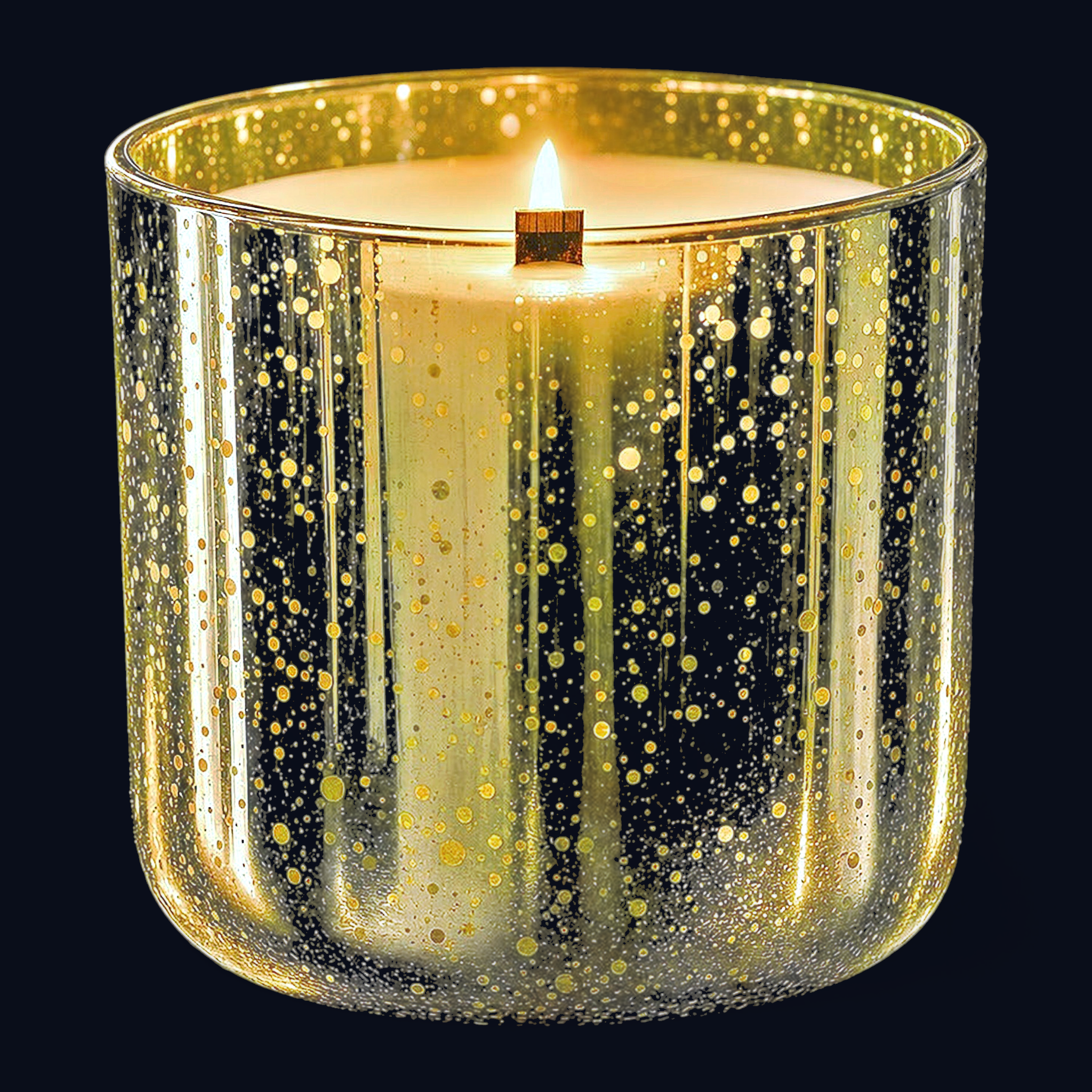
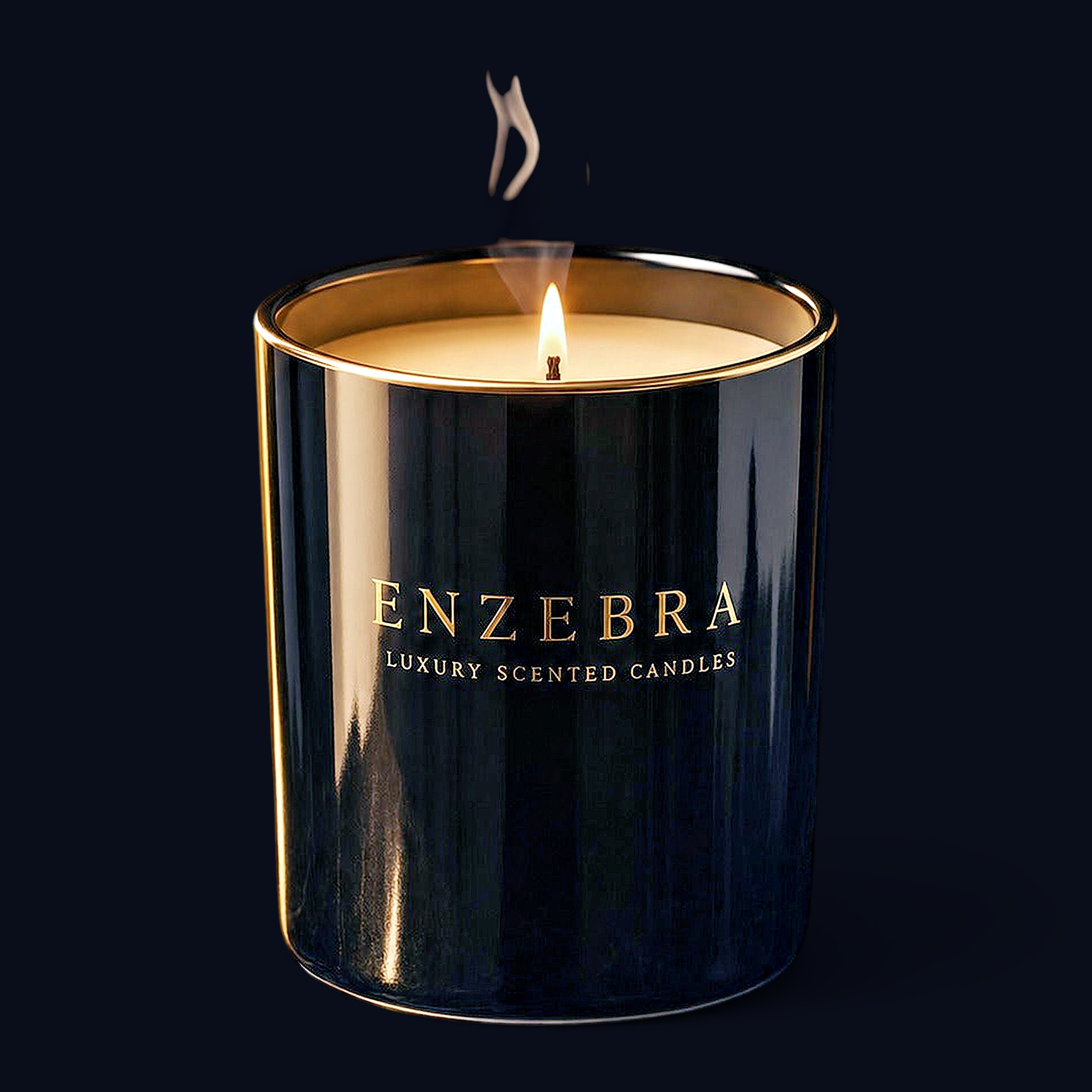
Browse the full Luxury Candle Scent Profiles: A Complete Guide to compare scent families before you choose. When you are ready to narrow your options, look at the Solar System 9 Planet Gemstone Display In Wooden Box for a non-candle gift, or explore the EnZebra Mercury Gold 24 oz luxury candle and the EnZebra Obsidian Black 14 oz luxury candle for a centerpiece.
Frequently Asked Questions
What are artisanal perfumes?
Artisanal perfumes are fragrances made in small batches, often by independent perfumers or small studios, with attention to individual ingredients and composition rather than mass-market formulas. They usually emphasize distinctive scent profiles, limited releases, and transparent sourcing. Because production volumes are low, they often cost more per milliliter than designer fragrances. When evaluating one, look for clear information about concentration, top, heart and base notes, and where the raw materials come from.
How is an artisanal fragrance different from a designer perfume?
Designer perfumes are typically produced at scale by large fragrance houses and tested for broad appeal, which tends to favor familiar, crowd-pleasing accords. Artisanal and niche fragrances are developed around a specific creative vision and sold in smaller quantities, so they often feature unconventional compositions, richer natural isolates, and more distinctive sillage. Expect a greater range of scent evolution and a more individual character, along with a higher price in many cases.
How do you choose a niche fragrance?
Start with the scent families you already wear and enjoy, then sample before committing. Pay attention to the top, heart and base notes, since the base notes determine how the scent lasts on skin. Check the concentration: eau de parfum generally projects and lasts longer than eau de toilette. Test a fragrance over several hours, because scent evolution can differ significantly from the first spray. Finally, consider the season and the occasions you plan to wear it for.
Which premium artisanal fragrances are best for women?
The best choice depends on whether you prefer floral, woody, gourmand or fresh compositions and how strong you want the projection to be. Zebra & Co. does not currently list fragrance bottles; its artisanal scent offerings are home fragrance candles, including the EnZebra Lavender Sculptural Candle at $28.00 and the EnZebra Large Rose Pillar Candle at $38.00. For personal wear, test samples of several niche houses before buying a full bottle.
