

Buy Rare Mineral Specimens for Collectors: A Guide
Table of Contents
- How to Identify Mineral Specimens and Verify Authenticity
- Rare Crystals for Collectors: Species, Locality, and Rarity
- Assessing Mineral Specimen Value and Price Ranges
- Where to Buy Mineral Samples: Sourcing Authentic Specimens
- Building a Mineral Collection: Budget, Storage, and Display
- Ethical Sourcing and Responsible Collecting Practices
- Frequently Asked Questions
Last Updated: October 11, 2026
How to Identify Mineral Specimens and Verify Authenticity
When buying rare mineral specimens for collectors, authenticity is everything.
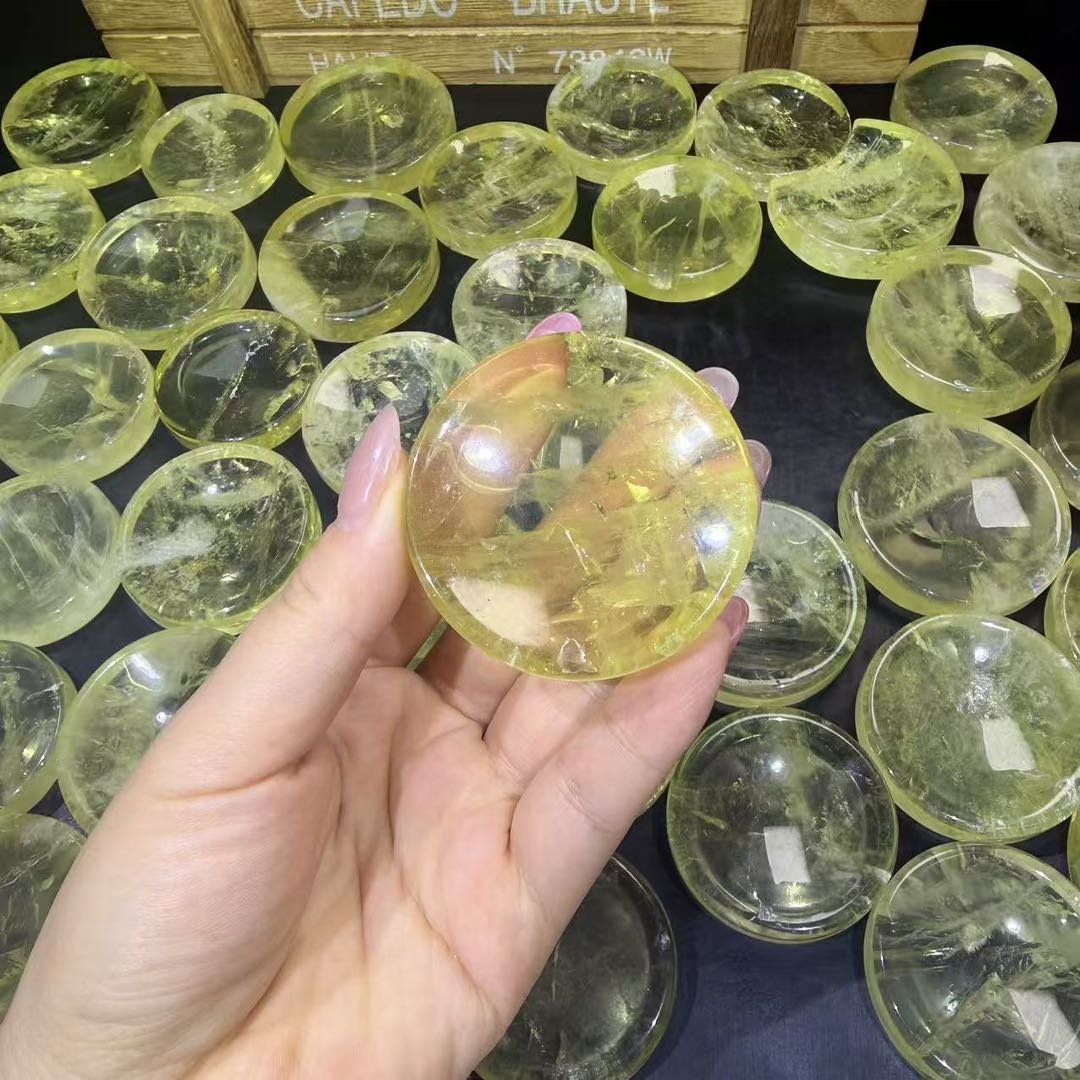
The first rule: inspect the matrix. A natural mineral specimen displays an intact host rock or matrix, the surrounding stone that held the crystals in place underground.
Checking for Natural Formation and Intact Matrix
An intact matrix is non-negotiable when assessing mineral specimen authenticity. Natural formations always include the surrounding rock that supported growth. If the matrix is missing, broken, or suspiciously clean, ask why.
Look for these markers of genuine formation:
- Botryoidal surface texture, the bumpy, grape-like clusters that form naturally on azurite, malachite, and similar minerals
- Color saturation consistent with depth, natural specimens show color variation based on crystal thickness and mineral density
- No visible glue, adhesive, or sealing, reconstituted pieces often show modern adhesives under magnification
- Weathering and patina appropriate to age, genuine specimens carry subtle surface marks from geological exposure
- Unpolished, raw condition, if the specimen is uncut and unpolished, that's a strong authenticity indicator
When examining a specimen like the zExclusive Azurite Raw Specimen with Matrix, you'll notice the calcite and grey-green host rock remains fully undamaged. That intact matrix attachment separates a genuine collector-grade piece from fabricated material.

Red Flags: Reconstituted, Treated, or Enhanced Specimens
Reconstituted specimens are manufactured from crushed mineral fragments, resin, and dyes. Enhanced specimens are real minerals treated with oils, waxes, dyes, or heat to intensify color or appearance. Neither holds geological or collector value.
Watch for these warning signs:
- Too-perfect color uniformity, natural specimens show color variation; uniform saturation suggests artificial enhancement
- Suspicious shine or coating, modern sealants and oils create unnaturally glossy finishes
- Missing or suspiciously smooth matrix, reassembled specimens often have sanded or polished surrounding rock
- Dealer evasiveness about origin, legitimate sellers have detailed provenance; vague answers indicate problems
- Prices drastically below market, if a rare mineral specimen costs half what comparable pieces sell for, there's usually a reason
- No mention of locality or geological origin, genuine specimens are documented by where they were found
Many legitimate dealers offer specimens with one polished face to reveal interior detail while leaving the rest raw. That's standard practice. The difference is transparency, a dealer will tell you which faces are polished and why.
Rare Crystals for Collectors: Species, Locality, and Rarity
Not all rare mineral specimens command equal value. Rarity comes from three factors: the mineral species itself, the geographic locality where it formed, and how many specimens of that quality exist in circulation.
Some mineral species are inherently scarce. Azurite forms in copper carbonate deposits and oxidizes easily, making pristine specimens uncommon. The North Ankara Turkish Amethyst specimens available at Zebra & Co. are prized for their banded black-and-purple coloration, which is geologically rare in that region.
High-Demand Species and Geographic Origins
Locality matters enormously in mineral collecting. A specimen from a famous, historically productive deposit carries more prestige and value than identical material from a common source.
High-demand mineral species include:
- Azurite, copper carbonate with vivid blue saturation; most valuable with intact malachite matrix
- Amethyst, purple quartz variety; premium specimens show deep, even color and well-formed crystal points
- Crazy Lace Agate, banded chalcedony with dendritic manganese oxide patterns; Chihuahua, Mexico is the premier source
- Fluorite, cubic crystals in purple, green, or blue; prized for transparency and color zoning
- Celestite, pale blue strontium sulfate; collectors seek specimens with clear, well-formed crystals
Geographic origin amplifies rarity. The Crazy Lace Agate rough specimens from Chihuahua represent material from one of the few localities on earth that produces this distinctive multi-banded chalcedony. When you purchase from Garland Workshop & Lapidary, you're acquiring material sourced directly from that premium deposit.
Assessing Mineral Specimen Value and Price Ranges
Mineral specimen value rests on measurable factors: grade, size, condition, aesthetic appeal, and rarity. Understanding these drivers helps you evaluate whether a price is fair or inflated.
Quality Grades: Collector-Grade vs. Display-Grade vs. Investment-Grade
The mineral collecting community uses three standard quality tiers.
Collector-Grade specimens are the entry point for serious collectors. The zExclusive Azurite Raw Specimen at $30 exemplifies this tier: verified natural formation, vivid blue coloration, intact calcite matrix, no visible chips or breaks.
Display-Grade specimens are museum-quality pieces with exceptional color, perfect condition, and striking visual presence. The Pink Feldspar Chalcedony specimen at $306, weighing 4.7 pounds and measuring 10" × 6" × 8", represents this category: substantial, display-worthy, with real presence on a shelf or in a collection.

Investment-Grade specimens are rare, museum-caliber pieces with documented provenance and historical significance. These command premium prices, often $500 and above, and require insurance and climate-controlled storage.
Size, Condition, and Aesthetic Appeal as Value Drivers
Three variables move the price needle within each grade tier.
Size matters proportionally. A 2-pound specimen costs more than a 0.7-pound piece of the same mineral and quality. The Smoky Quartz Druzy Cluster at $53.59 weighs 2 pounds, with proportions typical of a display-grade specimen.

Condition determines longevity and display value. A specimen with no chips, cracks, or surface damage holds its value and displays flawlessly.
Aesthetic appeal is subjective but measurable. Color intensity, crystal clarity, pattern complexity, and visual balance all factor in.
| Grade | Price Range | Condition | Best For | Durability |
|---|---|---|---|---|
| Collector-Grade | $30-$150 | Minor surface wear acceptable | New collectors, budget-conscious buyers | 10+ years display |
| Display-Grade | $150-$500+ | Excellent condition, no visible damage | Established collectors, curated displays | 20+ years display |
| Investment-Grade | $500+ | Museum-quality, documented provenance | Serious investors, institutional collections | 50+ years+ with proper care |
Where to Buy Mineral Samples: Sourcing Authentic Specimens
Buying rare mineral specimens for collectors requires sourcing from dealers who prioritize authenticity and geological integrity.
zExclusive Azurite Raw Specimen with Matrix — Collector Grade Verified Natural →
Direct from Curated Dealers and Lapidary Workshops
The most reliable source is a curator-verified dealer who sources directly from geological suppliers. Zebra & Co.'s Garland Workshop & Lapidary operates this way, each specimen passes through hands familiar with stone, rough, polished, and everything between.
When you purchase from a curated dealer:
- You receive documentation of sourcing and locality
- Specimens are photographed and described with geological accuracy
- Dealers stand behind authenticity claims
- You can ask questions and receive detailed condition reports
- Limited inventory means each piece is hand-selected
The Crazy Lace Agate rough specimens at Garland Workshop & Lapidary are sourced from Chihuahua, Mexico, with detailed descriptions of color, formation, and lapidary potential. That specificity is the hallmark of legitimate dealing.
Shipping, Insurance, and Damage Claims for Rare Specimens
Shipping fragile mineral specimens requires care. Legitimate dealers pack specimens in protective materials and offer insurance options. Before purchasing, clarify the dealer's shipping and damage policy.
Ask these questions:
- What's included in the shipping cost? Some dealers bundle insurance; others charge separately
- How are specimens packaged? Quality dealers use multiple layers of protection: bubble wrap, foam padding, sturdy boxes
- What happens if a specimen arrives damaged? Legitimate dealers accept returns or issue refunds for damage sustained in transit
- Can I request signature confirmation? For high-value pieces, this adds security
- Is insurance mandatory or optional? Understand the coverage limits and cost
When specimens arrive, inspect immediately and document any damage with photos. Contact the dealer within 48 hours if damage has occurred. Reputable dealers will work with you to resolve the issue through replacement, refund, or insurance claim.
Building a Mineral Collection: Budget, Storage, and Display
Starting a mineral collection doesn't require a large upfront investment. Strategic purchasing and proper care ensure your collection grows in value.
Starting Small: Entry-Level Rare Mineral Specimens
The zExclusive Azurite specimen at $30 is an ideal starting point: verified natural formation, vivid color, intact matrix, and compact size suitable for cabinet display.
Alternatively, build variety with a bulk lot. The Mixed Natural Crystals lot at $84.95 offers 10 pounds of material from Garland Workshop & Lapidary's working inventory. As your collection grows, upgrade selectively with display-grade specimens that anchor shelves or curio cabinets.
Proper Care and Display for Long-Term Preservation
Mineral specimens are durable, but environment matters. Protect your collection from extremes of temperature, humidity, and light.
Storage essentials:
- Keep specimens away from direct sunlight, UV exposure fades color over time, particularly in amethyst
- Maintain stable humidity, avoid damp basements or dry, heated rooms; aim for 40-60% relative humidity
- Use acid-free display materials, cardboard, paper, and adhesives can chemically alter specimens over decades
- Separate fragile specimens, store delicate pieces in individual compartments to prevent friction and chipping
- Avoid temperature swings, rapid heating and cooling can cause micro-fractures in crystals
Display specimens on open shelves, in glass cabinets, or on dedicated mineral stands. Wipe gently with a soft, dry cloth; never use water or harsh cleaners unless certain the specimen won't be damaged.
Ethical Sourcing and Responsible Collecting Practices
The mineral collecting community increasingly values ethical sourcing.
Responsible collecting means understanding where specimens originate. Legitimate dealers source from established, legal mining operations or field-collected material with proper documentation.
When you purchase from Garland Workshop & Lapidary or zExclusive, you're supporting a dealer committed to authenticity and integrity.
Support dealers who document specimen locality, source from legal suppliers, refuse conflict minerals, educate collectors about responsible practices, and contribute to geological conservation efforts.
Buying rare mineral specimens for collectors is an investment in geology, beauty, and authenticity. At Zebra & Co., we've curated a selection of collector-grade and display-grade specimens through Garland Workshop & Lapidary, each sourced with geological integrity and presented with full transparency. Shop All rare mineral specimens and begin building a collection that holds both aesthetic and collector value.
Frequently Asked Questions
How can I tell whether a mineral specimen is natural?
Authentic natural specimens show intact matrix attachment, consistent color saturation, and characteristic surface textures specific to the mineral species. Look for botryoidal surfaces, natural crystal faces, and geological formations that match documented examples. Avoid specimens with uniform artificial coloring, visible glue lines, or suspiciously perfect symmetry. Reputable dealers provide photos, provenance notes, and authentication verification, ask for these before purchasing.
What should I check before buying a rare mineral specimen?
Inspect specimen condition (chips, breaks, or damage), verify locality and geographic origin, confirm the mineral species identification, assess color saturation and aesthetic appeal, and check the size and weight against product photos. Request multiple angles and close-up images. Confirm the dealer's return policy, shipping insurance coverage, and damage claim procedures. Ask whether the specimen is collector-grade, display-grade, or investment-grade, and verify any treatments or enhancements have been disclosed.
How do I assess the value of a mineral specimen?
Mineral specimen value depends on species rarity, locality desirability, condition (no chips or breaks), color intensity, crystal formation quality, and size. Investment-grade pieces command higher prices than display specimens. Compare similar specimens across multiple dealers to establish baseline pricing. Consider whether the piece suits your collection's focus, rare specimens from famous localities typically hold value better than common species. Authentication and provenance documentation significantly increase collector confidence and resale potential.
Where can I buy mineral samples with confidence?
Purchase from established mineral dealers with verified authentication processes, detailed product descriptions, and transparent pricing. Specialized lapidary workshops and curated marketplaces that source directly from trusted geological suppliers offer hand-selected specimens. Reputable sellers provide photos from multiple angles, disclose any treatments, include provenance information, and stand behind their authenticity claims. Check their return policy and shipping insurance before buying. Avoid dealers who cannot provide clear documentation or refuse to answer questions about specimen origin and condition.
What are some rare crystals that are suitable for collectors?
High-demand rare crystals include azurite (prized for vivid blue coloration), amethyst from specific localities like Turkey, quartz druzy clusters, and agates from renowned sources such as Mexico. Specimens with intact matrix attachment, strong color saturation, and aesthetic appeal command collector interest. Smaller cabinet pieces suit new collectors, while larger display-grade specimens appeal to established collectors. Locality matters, specimens from famous mineral-producing regions hold value better than generic sources.