

Are Rare Mineral Specimens Investment Grade?
Table of Contents
- What Makes a Mineral Specimen Investment Grade
- How to Value Mineral Specimens
- Mineral Specimen Authenticity and Fraud Prevention
- Museum-Grade Mineral Specimens vs. Collector Grade
- Mineral Specimens as an Investment: Liquidity and Risk
- A Practical Grading Checklist for Evaluating Specimens
- Frequently Asked Questions
Last Updated: October 18, 2026
What Makes a Mineral Specimen Investment Grade
A mineral specimen becomes investment-grade when it combines rarity, visual appeal, and documented authenticity, the foundation of rare mineral specimens investment. Decorative and investment-grade pieces follow different market trajectories.
At Zebra & Co., we work with serious collectors who understand this difference. Investment-grade specimens hold or appreciate in value and command premium prices at auction; decorative minerals are priced for immediate sale and rarely appreciate.
Investment-grade status rests on four pillars: rarity within the species, aesthetic excellence, pristine condition, and verifiable provenance. A specimen might be beautiful but common, rare but damaged, or authentic but undocumented.
Rarity and Supply Constraints
Rarity is the first filter. Some minerals are rare globally but common in specific localities; others form only under precise geological conditions few locations provide.
Consider azurite. It's not rare as a species, but specimens with vivid blue saturation and intact matrix attachment are uncommon. The zExclusive Azurite Raw Specimen with Matrix exemplifies this: its saturated blue coloration and undamaged calcite host rock are hallmarks collectors actively seek.

Scarcity drives collector demand, and prices typically follow. But rarity alone isn't enough, a rare mineral in poor condition won't command investment-grade premiums.
Aesthetic Quality and Visual Impact
Visual excellence separates investment-grade specimens from ordinary ones. Color saturation, transparency, clarity, and luster all matter enormously.
Collectors evaluate specimens from across the room and up close. A specimen should read clearly from a distance, with vivid color and eye-catching formations.
The North Ankara Turkey Banded Black and Purple Amethyst demonstrates aesthetic impact: strong banding, strong color saturation, and a piece that commands attention on display.
Aesthetic appeal is partly personal, but investment-grade specimens share bold color, clear form, and visual harmony; specimens lacking these rarely appreciate, regardless of rarity.
Crystal Form and Condition
Form refers to how the mineral's crystals are arranged. Complete, well-formed crystals with clear geometric definition command higher prices than partial or poorly formed alternatives.
Condition is non-negotiable. Chips, cracks, repairs, and restoration reduce value significantly; even minor damage moves a specimen into collector-grade, not investment-grade. Collectors accept age, but active damage signals lower quality.
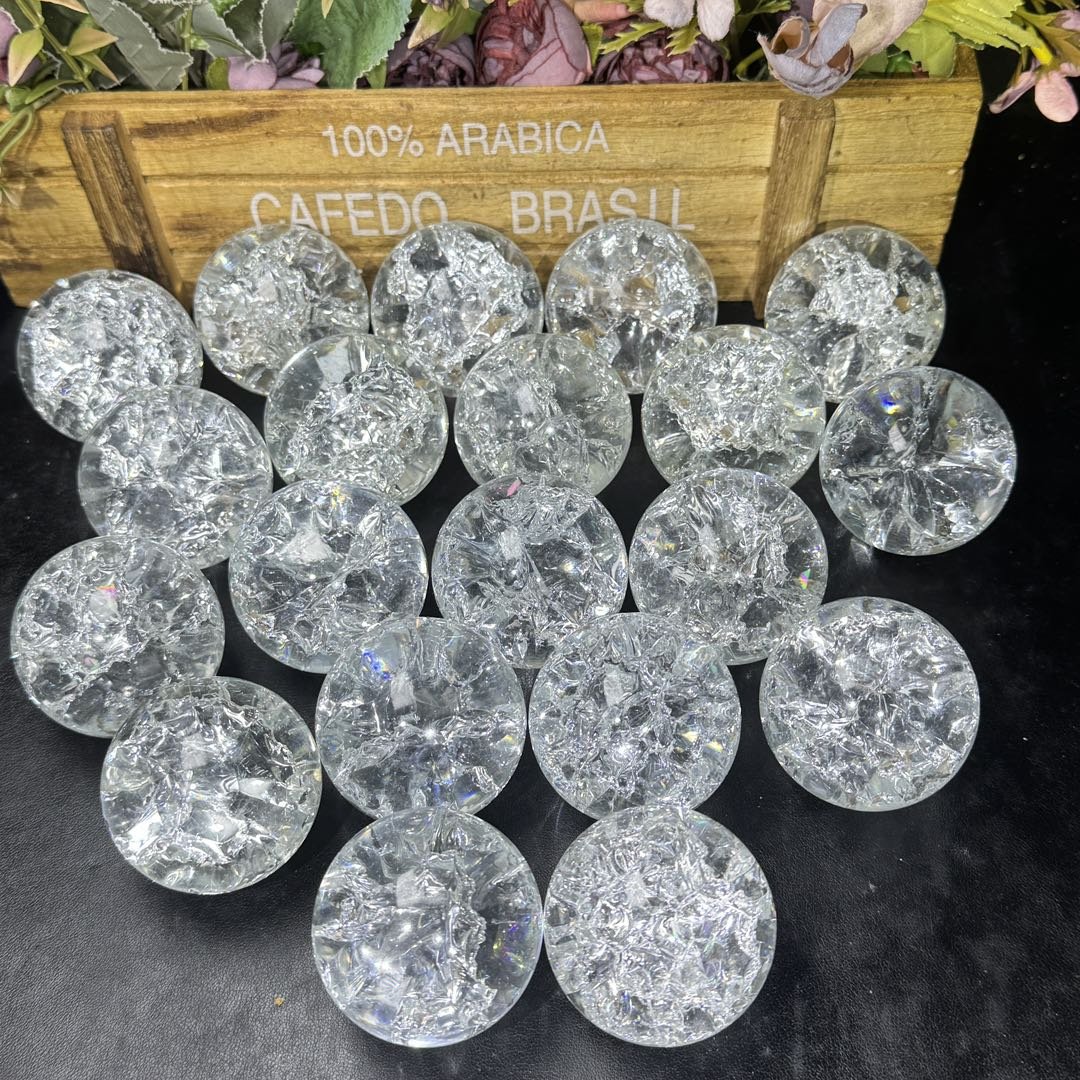
The Crazy Lace Agate Rough Specimen from Chihuahua, Mexico illustrates this.
How to Value Mineral Specimens
Valuing rare mineral specimens investment requires understanding market comparables, rarity tiers, and documentation standards. Price reflects supply, demand, condition, and provenance, but most collectors stop at "check what similar pieces sold for" and never build a repeatable valuation method. This section gives you one.
Comparable Sales and Market Data
Comparable sales are your primary valuation tool.
Auction results provide public pricing data: the major houses maintain searchable archives of realized prices, what the hammer actually brought, not the estimate.
Record five fields per comparable: species and variety, locality, dimensions and weight, condition notes, and realized price with sale date.
Dealer pricing offers another data point. Reputable dealers price to market conditions, and their markup, covering sourcing, verification, and overhead, signals realistic value.
Online marketplaces show asking prices, which differ from selling prices.
Build a simple spreadsheet with one row per comparable sale. When you have five or more rows for a species and locality, you can see the range and the median. Value your candidate against the median, then adjust up or down for condition, size, and documentation.
Size, Locality, and Documentation
Size influences value, and larger specimens command premiums when all else is equal, but size alone doesn't drive value, and a large common specimen might cost less than a small rare one.
Locality profoundly affects value. Specimens from historically important or geologically unique localities command premiums, and documentation strengthens value and authenticity claims.
Documentation includes photographs, certificates of authenticity, and provenance records. Documented specimens are worth more than undocumented ones because documentation reduces buyer risk and supports investment-grade classification.
The Pink Feldspar Chalcedony Botryoidal Nodule Matrix from Garland Workshop & Lapidary demonstrates this.

Adjusting Comparables for Differences
No two specimens are identical, so adjust every comparable. Work through these factors in order, noting whether each pushes value up or down:
- Condition: Chips, cracks, repairs, or restoration move a piece out of investment-grade pricing entirely. A repaired specimen should be valued well below an intact comp, not at a small discount.
- Form and completeness: A complete, terminated crystal commands more than a fragment of the same species and locality.
- Color and luster: Saturation and brightness are the most subjective adjustments. Compare under the same lighting conditions, daylight versus gallery lighting can change apparent color dramatically.
- Size: Adjust for both dimensions and weight, and note whether the piece is display-sized.
- Documentation: Provenance, old collection labels, and certificates justify a premium; their absence justifies a discount.
- Market timing: A comp from five years ago may not reflect current demand. Weight recent sales more heavily.
Do not treat an insurance appraisal as market value. Appraisals are often set at replacement cost, which can run above what a willing buyer will pay in a private sale. Use appraisals for coverage decisions, not for pricing a purchase or a sale.
What Asking Prices Don't Tell You
Asking prices are marketing, not evidence, a dealer can list at any number and wait. Only realized prices matter: auction hammer prices plus buyer's premium, and verifiable private sales. With only asking prices, discount them and treat the result as a rough ceiling. A long-unsold listing tells you the asking price is above value.
Mineral Specimen Authenticity and Fraud Prevention
Authenticity verification is essential. The market includes treated specimens, reconstituted materials, and outright fakes; investment-grade specimens must be genuine, unaltered natural formations.
Common fraud methods include color enhancement (dyes or oils on azurite), lab-created synthetics marketed as natural, and locality misrepresentation, including common species sold as rare ones.
zExclusive Azurite Raw Specimen with Matrix — Collector Grade Verified Natural →
Verification requires expertise: examine under magnification for treatment, unusual coatings, inconsistent color, or gluing, and request documentation. Reputable dealers provide certificates of authenticity and detailed provenance records.
The zExclusive collection emphasizes verified authenticity: each specimen is curator-verified and carries authentication documentation, protecting collectors and supporting investment-grade status.
Museum-Grade Mineral Specimens vs. Collector Grade
Museum-grade and collector-grade specimens occupy different market tiers. Understanding this distinction clarifies valuation and investment potential.
Museum-grade specimens are the highest tier: extraordinary rarity, perfect condition, impeccable documentation. Museums actively acquire them, and prices reflect that demand.
Collector-grade specimens are high-quality pieces serious collectors pursue, rare, beautiful, well-documented, but lacking museum-grade's exceptional characteristics.
Investment-grade specimens span both categories.
For portfolio strategy, museum-grade specimens are scarce and expensive, while collector-grade pieces offer better entry points for emerging collectors.
Mineral Specimens as an Investment: Liquidity and Risk
Mineral specimens are alternative assets with different risks and liquidity characteristics than stocks or bonds. The honest framing: a specimen is an illiquid, undiversified, high-transaction-cost asset that may hold value, may appreciate, and may not.
Liquidity, how quickly you can sell at fair market value, is lower than for financial assets.
Collector demand drives prices: downturns can depress them, strong interest can drive rapid appreciation. With no public exchange or daily mark, you won't see volatility in real time, you'll discover it when you try to sell.
Resale Markets and Exit Strategies
Multiple resale channels exist: auction houses for high-value pieces, dealers who buy and sell continuously, online marketplaces, and private collector-to-collector sales.
Auction houses provide market visibility but charge a seller's commission plus fees that can take a meaningful share of the hammer price.
Online platforms and collector networks enable direct-to-collector sales, avoiding middleman costs but requiring marketing effort and buyer verification.
Exit strategy should factor into acquisition. Highly specialized specimens are harder to resell than broadly appealing ones; documented, beautiful pieces with strong collector appeal resell more easily than obscure or damaged ones.
The realistic planning assumption is that a retail purchase may resell at a discount through a dealer, or at auction after commissions, and that the round-trip cost of buying and selling can consume a large share of any gain. Buy pieces you would be happy to keep if the market went quiet.
Insurance, Storage, and Ownership Costs
Ownership costs extend beyond purchase price. Insurance protects against loss or damage; storage requires stable temperature, low humidity, and protection from light and handling damage.
Insurance costs vary by value and location. Specialized mineral and collectibles insurance is available, and standard homeowners policies often exclude or cap collections, confirm coverage in writing.
Home storage is free but needs a stable, dark, low-humidity space away from handling traffic.
These ongoing costs reduce net returns: a specimen appreciating modestly while costing a meaningful percentage yearly in insurance and storage can net very little.
The Risks You Should Price In
- No guaranteed appreciation. Collectibles can fall in value. Demand is driven by a relatively small pool of collectors.
- Illiquidity. You may not be able to sell quickly at a fair price, especially for specialized pieces.
- Transaction costs. Commissions, dealer spreads, shipping, insurance, and appraisal fees all reduce net proceeds.
- Condition risk. Damage in handling or storage can sharply reduce value, and repairs are difficult to reverse.
- Authenticity risk. Undisclosed treatment, repair, or locality misrepresentation can turn an investment-grade purchase into a loss.
- Concentration. A collection is typically concentrated in one asset class and often one or two species or localities.
Do not allocate money to mineral specimens that you cannot afford to leave tied up for years, and do not assume a specimen will appreciate simply because it is rare. Rarity supports value only when collectors want the piece and can find it.
A Practical Grading Checklist for Evaluating Specimens
Evaluating specimens requires systematic assessment. Use this checklist for potential acquisitions.
| Evaluation Criterion | What to Assess | Investment-Grade Standard |
|---|---|---|
| Rarity | Supply availability and collector demand | Genuinely scarce, actively sought by collectors |
| Color | Saturation, vibrancy, consistency | Vivid, saturated, uniform across specimen |
| Clarity | Transparency and freedom from inclusions | Clear where transparency is expected |
| Form | Crystal geometry and completeness | Well-formed, complete crystals preferred |
| Condition | Chips, cracks, repairs, restoration | No visible damage or alterations |
| Size | Physical dimensions and weight | Appropriate for display, substantial presence |
| Locality | Geographic origin and documentation | Documented, preferably from notable locality |
| Documentation | Certificates, provenance records, photos | Complete documentation from reputable source |
Assessment Process:
Examine under bright light with magnification. Check all surfaces for damage, assess color consistency and saturation, verify crystal form completeness, confirm documentation authenticity, and compare against known market comparables.
Red flags: vague locality information, missing documentation, evidence of treatment or repair, color inconsistency, or damage. Specimens displaying them belong in the collector-grade or decorative category, not investment-grade.
Building an investment-grade mineral collection requires patience and knowledge. Our Garland Workshop & Lapidary collection includes pieces like the Crazy Lace Agate and Pink Feldspar Chalcedony specimens, each selected for rarity, condition, and collector appeal.

Frequently Asked Questions
Are rare mineral specimens a good investment?
Rare mineral specimens can appreciate in value, but they require expertise to evaluate and carry liquidity challenges. Investment-grade specimens, those with exceptional rarity, documented provenance, and museum-quality aesthetics, have historically held or increased in value. However, most collector-grade specimens are purchased primarily for their beauty and educational value rather than financial returns. Success depends on acquiring authentic pieces from reputable sources, understanding your market, and accepting that resale may take time and involve dealer markups of 20-40%.
What makes a mineral specimen investment-grade?
Investment-grade specimens combine five critical factors: exceptional rarity (limited supply from a specific locality), flawless or near-flawless condition with no repairs or restoration, vivid color saturation and aesthetic appeal, complete crystal form with intact matrix attachment, and documented provenance with verified authenticity. The specimen must also demonstrate collector demand, meaning museums, serious collectors, and dealers actively seek that species and locality combination. Size matters, but quality always outweighs quantity.
How do you determine the value of a mineral specimen?
Valuation combines comparable sales data, rarity tier, condition assessment, and locality desirability. Research recent auction results and dealer listings for similar specimens to establish a baseline. Factor in size, color intensity, crystal completeness, and whether the specimen shows restoration or damage. Documentation and provenance add value. Museum-grade specimens command significantly higher prices than collector-grade equivalents. Work with established dealers or appraisers familiar with your specific mineral type, values vary dramatically by species and origin.
How can you tell if a mineral specimen is authentic?
Authentic specimens show natural geological features: intact host matrix attachment, consistent color saturation, realistic surface textures, and no signs of artificial enhancement or reconstitution. Verify provenance through documented locality information and seller reputation. Examine the specimen under magnification for telltale repair work, glue lines, or mismatched components. Purchase only from reputable dealers who provide detailed condition descriptions and photos. Zebra & Co.'s zExclusive and Garland Workshop collections include verified authenticity status and unpolished raw specimens that showcase natural geological formation without artificial enhancement.