

Best Curated Marketplaces for Home Goods Compared
Quick Summary
A curated marketplace for home goods is an online shop where someone personally selects every product, instead of letting any seller list items. Compared with open marketplaces, curated marketplaces offer a smaller catalog with more consistent quality and clearer descriptions.
- Curated marketplaces use a named team to choose every product before it goes live.
- Open marketplaces accept listings from thousands of sellers, so quality varies widely.
- Check listings for dimensions, materials, care notes and origin details rather than vague adjectives.
- Zebra & Co. lists items from $17.00 for a vanity mirror to $98.00 for a 24 oz candle.
- Confirm packing, return window and damage policy for fragile items before checkout.
Table of Contents
- What a Curated Marketplace for Home Goods Actually Is
- How Curation and Seller Vetting Work
- Zebra & Co. Compared Across Categories and Budgets
- Best Home Decor Stores Online for Unique Home Goods
- Sustainable Home Decor Brands Worth Knowing
- Vintage Home Decor Online: Authenticity and Provenance
- Shipping, Returns, and Buyer Protection
- Choosing the Right Curated Marketplace for Your Next Purchase
- Frequently Asked Questions
What a Curated Marketplace for Home Goods Actually Is
A curated marketplace for home goods is an online shop where someone selects every product, rather than letting any seller list anything, and few curated marketplaces publish their selection standards so openly. The selection criteria, the materials and the presentation are chosen with a clear point of view. For shoppers comparing options, that editorial filter is the main thing that separates one site from another.
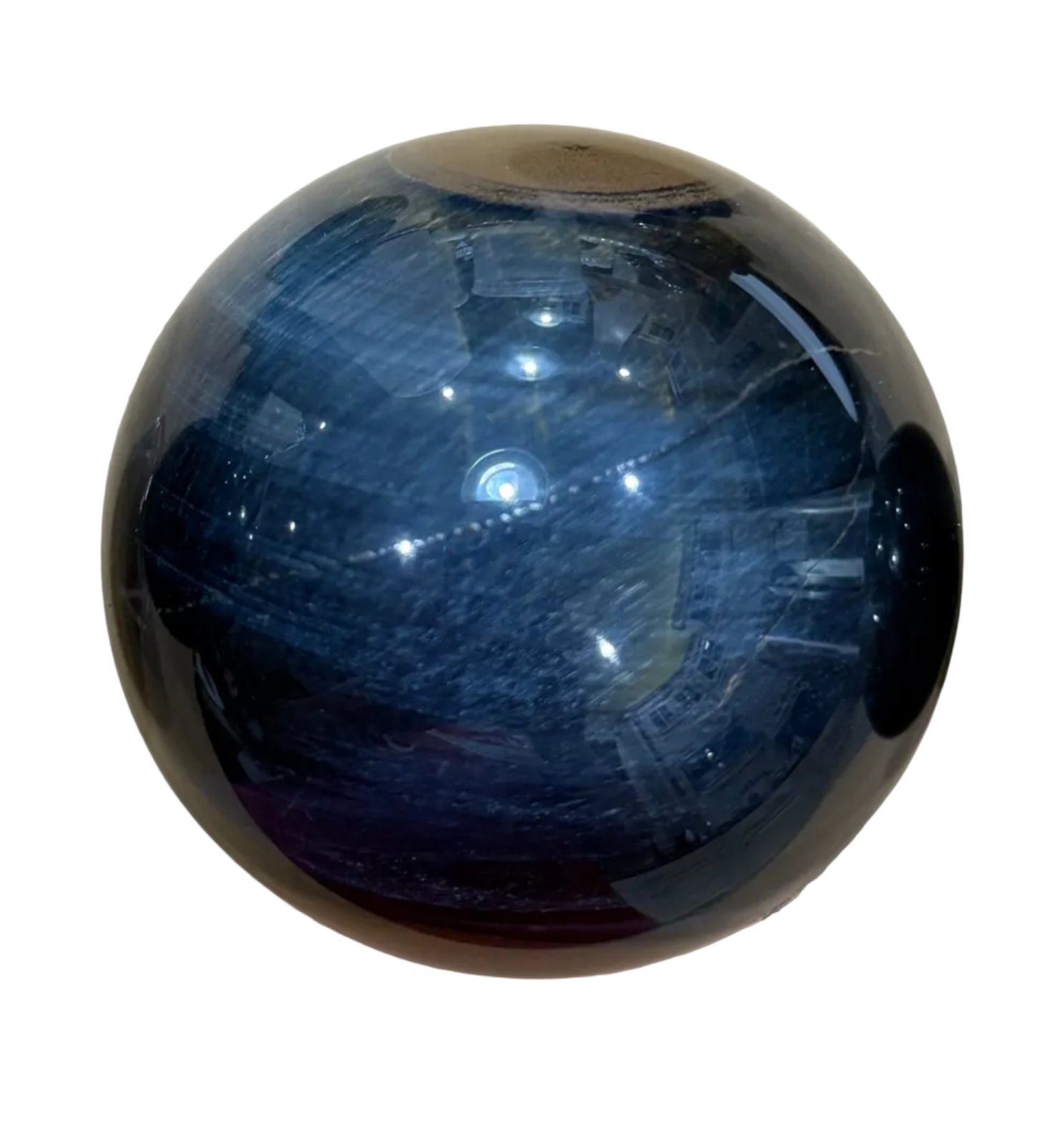
Open marketplaces work differently. They accept listings from thousands of sellers, so quality, sourcing and description accuracy can vary widely from one item to the next. A curated site trades that breadth for consistency. Fewer products, but each one has been reviewed before it appears.
Zebra & Co. is built on this model. The catalog brings together three distinct lines: EnZebra luxury candles, Garland Workshop & Lapidary mineral specimens, and zExclusive vintage décor. Each line has its own character, and the shop is organized so you can browse by category rather than wade through an endless grid.
How Curation and Seller Vetting Work
Curation starts with a decision about what belongs on the site at all.
Vetting goes a step further. It asks where a product came from, how it was made and whether the description matches the item.
Shoppers can use the same questions when comparing any curated marketplace:
- Who chooses the products? A named team with a clear point of view is a stronger signal than a generic "handpicked" label.
- What does the listing say? Look for dimensions, materials, care notes and origin details rather than vague adjectives.
- How many products are offered? A smaller catalog often means more attention per item.
Zebra & Co. Compared Across Categories and Budgets
Zebra & Co. covers three categories. The table below summarizes starting prices from the catalog.
| Category | Example Product | Starting Price | Best For |
|---|---|---|---|
| Candles | EnZebra Geometric Swirl Pillar Candle, Lavender | $28.00 | Everyday décor and gifting |
| Candles | EnZebra Artisan Hand-Poured Candle, Polished Gold Vessel (24 oz) | $98.00 | A statement piece with a signature fragrance |
| Mineral specimens | Natural Polished Decorative Agate Mineral Specimen | $45.99 | Collectors and geology gifts |
| Vanity décor | Wave-Edge Standing Vanity Mirror | $17.00 | Budget-conscious vanity upgrades |
The candle at $28.00 and the 24 oz gold-vessel candle at $98.00 are the lowest and highest-priced candles listed. The agate mineral specimen is priced at $45.99, and the vanity mirror at $17.00 is the lowest-priced item in the table above.
The Lavender and White sculptural pillar candles are listed at $28.00.
Starting prices of Zebra & Co. products by category
Best Home Decor Stores Online for Unique Home Goods
Shoppers looking for unique home goods online usually compare three types of seller: open marketplaces, curated multi-brand shops, and single-brand stores. Each model changes what you can buy, how much you pay, and how much checking you have to do yourself. The comparison below focuses on the criteria that actually change a purchase decision.
Selection model and catalog size. Open marketplaces list millions of items from thousands of sellers, so the catalog is broad but inconsistent. Curated multi-brand shops list a smaller, editor-reviewed range and usually organize it by room, material, or aesthetic. Single-brand stores carry only their own line, which keeps the look unified but limits variety. A common pattern is that shoppers who want one statement piece start broad, while shoppers furnishing several rooms gravitate to curated or single-brand catalogs for consistency.
Seller vetting and product provenance. On an open marketplace, any seller can list an item, so the burden of verifying materials, dimensions, and origin falls on you. Curated shops often publish selection criteria and review listings before they go live. When comparing any two sites, look for a named buying team, a stated review process, and listings that include dimensions, materials, care notes, and origin rather than vague adjectives. A shop that explains why an item was chosen is a stronger signal than one that only says "handpicked."
Price range and budget fit. Curated shops often cluster in the mid-to-premium range because editorial review and small production runs cost more per item. Open marketplaces span the full range but require more filtering to find quality at a given price. Set a budget band first, then compare what each model offers inside it. For reference, the catalog in this guide runs from $17.00 for a vanity mirror to $98.00 for a 24 oz hand-poured candle, with mineral specimens around $45.99.
Shipping, lead times, and returns. Open marketplaces vary policy by seller, so check the individual listing before you buy.
Style and aesthetic fit. Curated shops tend to have a recognizable point of view, whether quiet luxury, artisan-made, or vintage-led. That makes it easier to build a cohesive room from one catalog. Open marketplaces offer every aesthetic at once, which is an advantage only if you already know what you want.
A practical way to compare is to shortlist two or three shops, then score each on catalog size, vetting transparency, price fit, shipping and return terms, and style consistency. The shop that wins on the criteria you actually care about is the better choice, even if it is not the largest.
Watch out: a large catalog can look like more choice while actually making it harder to confirm quality, so weigh vetting and listing detail as heavily as selection depth.
Sustainable Home Decor Brands Worth Knowing
Sustainability claims are easy to make and hard to check, so it helps to focus on specifics. The EnZebra candle descriptions note hand-pouring. Shoppers who prioritize materials should read each listing for ingredient and origin details, and compare them directly across curated marketplaces before buying.
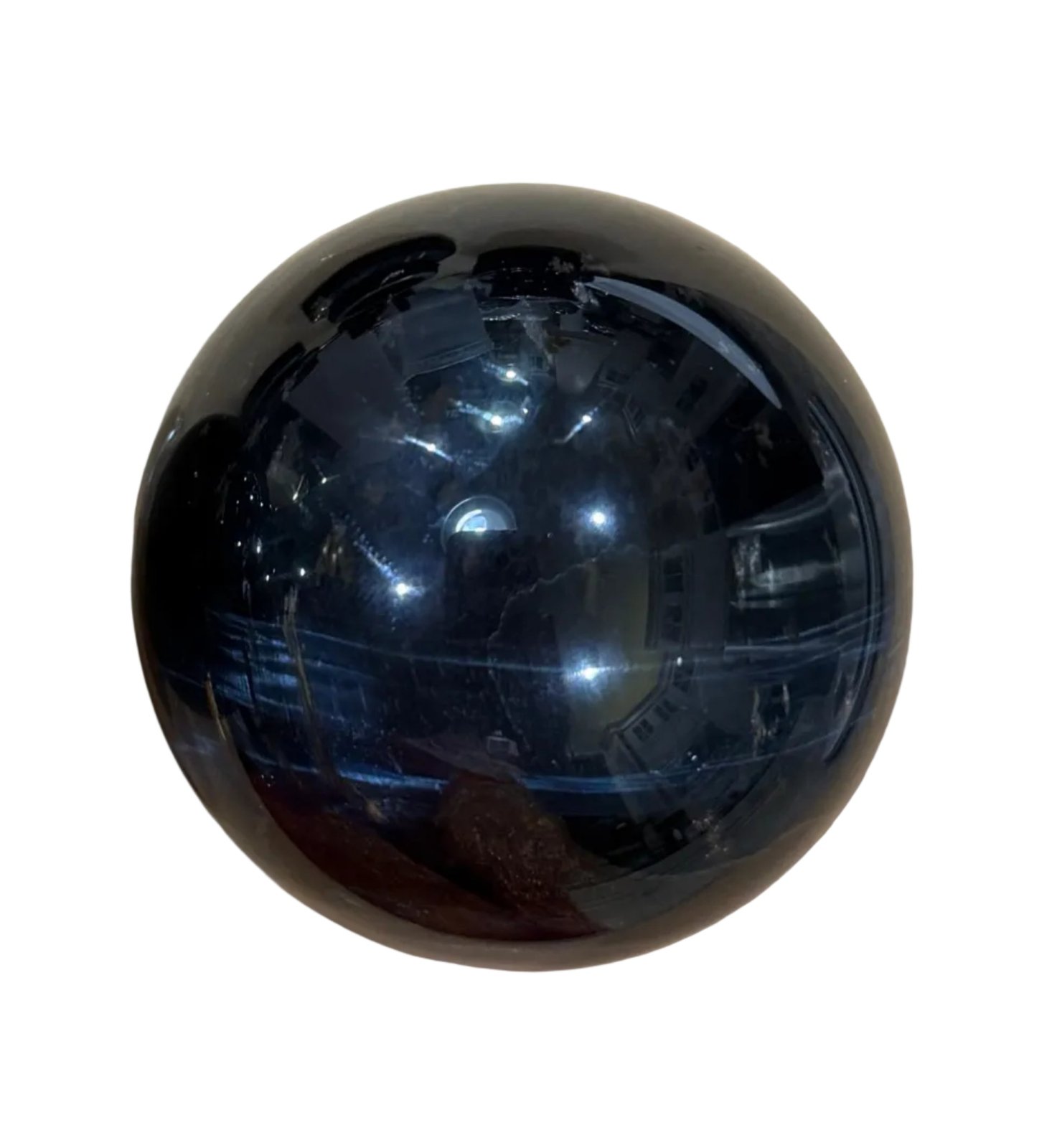
For mineral specimens, sustainability is more about sourcing than production. A natural stone is not manufactured, but its extraction and finishing still matter. Ask how each piece was prepared and whether the listing describes its origin.
Vintage Home Decor Online: Authenticity and Provenance
Buying vintage online requires more checking than buying new. Authenticity depends on documentation, condition and honest description. Start by reading the listing for era, maker, materials and any visible wear. A photo that shows the back, base or hallmarks is a good sign.
Provenance is the chain of ownership that tells you where an object has been. For more on sourcing artisanal goods and the alternatives to consider, see Heirloomed Alternatives for Artisanal Goods. For vintage décor, provenance may be partial, so a seller who describes what is known and what is not known is generally more trustworthy than one who makes sweeping claims.
Zebra & Co. presents its vintage pieces under the zExclusive vintage décor line. When you evaluate any vintage listing, look for condition notes, measurements and any history the seller can share.
Shipping, Returns, and Buyer Protection
Shipping and returns matter for fragile home goods. For candles, mineral specimens, mirrors, and vintage décor, the practical questions include how the item is packed, how long it takes to arrive, and who pays if something arrives damaged.
Packing and fragility. Glass vessels, stone specimens, and mirrors are fragile items. Check each listing for how the item is packed before you order.
Shipping timelines and carriers. Open marketplaces vary timelines by seller, so check whether the shop provides tracking and whether signature confirmation is required for high-value items.
Return windows and condition rules. Read each listing's return terms before you order, especially for fragile and vintage items. A clear return policy states the window, the condition requirement, who pays return shipping, and how refunds are issued.
Buyer protection and dispute paths. Before buying, confirm there is a way to contact the shop about an order and that the policy covers damage in transit.
What to check before checkout. A short pre-purchase checklist:
- Packing details for fragile items
- Stated shipping timeline and carrier
- Return window, condition rules, and who pays return shipping
- Damage and lost-package policy
- Contact channel for order questions
Confirm current shipping and return terms on the product pages and at checkout, since policies can change.
Watch out: a generous return window does not help if the listing excludes fragile or vintage items, so confirm the item you are buying is covered before you order.
Choosing the Right Curated Marketplace for Your Next Purchase
Start with what you want to buy. A single statement piece, a collection or a gift each points to a different shop. If you want a candle with a consistent scent profile, a curated fragrance catalog will serve you better than an open marketplace. If you collect minerals, look for specimens with clear descriptions and finish details.
Then set your budget and check the listing details against the criteria above: how the products are chosen, how they are described, and how returns and shipping work.
For a candle with a signature scent, browse the EnZebra fragrance library to compare options before you decide. Shoppers interested in what sets the brand's story-driven pieces apart can read whether story-driven home décor is worth the investment. If you are weighing an alternative, a side-by-side look at AERIN and modern artisan home décor lays out the differences, and a guide to buying handcrafted home fragrance covers what to look for in a candle.
Zebra & Co. offers candles, mineral specimens and vintage décor in one place, with listed prices from $17.00 to $98.00. Browse the full collection to find the piece that fits your room and your budget.
Frequently Asked Questions
What is a curated marketplace for home goods?
A curated marketplace is an online store that selects products according to a defined standard of quality, style, or story rather than accepting every listing. Instead of thousands of unvetted sellers, a curated site selects its products, which narrows the selection. Zebra & Co. works this way, bringing together EnZebra luxury candles, Garland Workshop & Lapidary mineral specimens, and zExclusive vintage decor under one editorial standard. Shoppers who value authenticity and craftsmanship usually find this model easier to trust than an open platform.
How do I know vintage home decor online is authentic?
Start by asking the marketplace what verification it provides and how it documents where each piece came from. A reputable vintage seller should describe the item's age, condition, and origin in specific terms rather than vague phrases like 'antique style.' Look for photographs of actual wear, marks, or maker details, and for a clear return policy in case the item does not match its description. Zebra & Co.'s zExclusive vintage decor is presented with this kind of detail, and its listings should be checked against the description before purchase.
Are the candles at Zebra & Co. worth the price compared with other luxury options?
The EnZebra candles range from $28.00 for the Geometric Swirl Pillar in Mint Blue, Lavender, or White to $98.00 for the 24 oz Polished Gold Vessel, with the Matte White 10 oz vessel at $42.00. The price reflects hand-pouring, sculptural form, and fragrance layering rather than size alone. Compare the scent profile, burn time, and vessel design against any alternative before deciding, since a candle's value depends on how much you will enjoy using and displaying it.
What should collectors know before buying mineral specimens online?
Check that the specimen listing states its type, such as the natural polished agate geode slice priced at $45.99, and that the photos show the actual banding and surface. Mineral specimens are natural objects, so each piece differs in pattern and color, and a listing should say so plainly. Confirm the return policy for damaged or mismatched items before ordering. Investment value varies widely by specimen, so buy these primarily as decorative or collecting pieces unless a seller provides documented provenance and grading.
Where can I find sustainable home decor brands in a curated marketplace?
Look for marketplaces that describe materials, production methods, and sourcing rather than using sustainability as a general label. EnZebra candles are described as made with sustainable ingredients, and the brand emphasizes hand-poured production in limited quantities. Ask for specifics such as wax type, fragrance composition, and where each product is made before accepting a sustainability claim, and compare those details across several sellers.
